
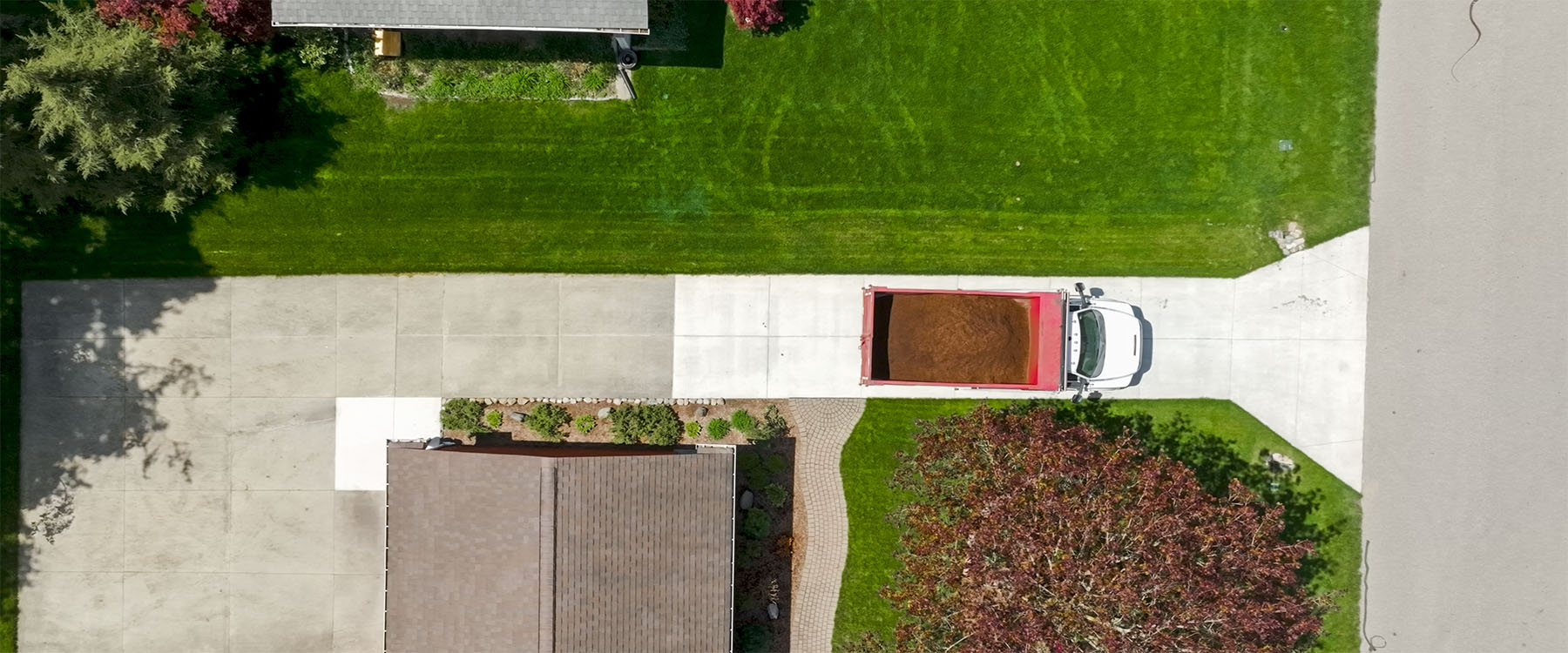
A healthy spring garden doesn’t start in April. It starts now. gives both residential homeowners and commercial landscapers a head start before the rush of planting season begins. Even before you purchase bulk topsoil or premium compost from our Southeast MI landscaping supply company, colder weather is the perfect time to improve structure, boost nutrients, and protect beds from erosion.
Here are 5 practical to take while it’s still winter.
Start with a clean slate. Remove fallen branches, dead annuals, excess leaves, and any leftover weeds. Too much debris left sitting through winter can trap moisture, invite pests, and slow soil warming in early spring. Once beds are cleared, take a close look at soil texture and condition. Pick up a handful and squeeze it.
Does it clump tightly and stay wet? That suggests heavy clay. Does it fall apart and feel gritty? That’s sandy soil. Both can benefit from gardening compost to improve structure. Avoid tilling, especially in winter. Tilling can damage soil structure, disturb beneficial organisms, and increase compaction once the ground freezes and thaws.
Before adding amendments, test your soil. A simple pH test tells you whether your garden beds are too acidic or too alkaline for the plants you plan to install. Most vegetables and ornamentals prefer a slightly acidic to neutral range.
Next, check drainage. Dig a small hole about 12 inches deep, fill it with water, and let it drain. Fill it again and time how long it takes to empty. If water sits for hours, drainage needs improvement. If it drains too quickly, organic matter will help retain moisture.
As mentioned above, compost for gardening beds improves both heavy and sandy soils. For larger properties, ordering a bulk amount of compost ensures even coverage and consistent quality. Landscapers and homeowners alike can rely on our bulk soil supplier for landscaping materials to treat multiple beds at once without running short.
One of the most effective is adding organic matter before the ground fully warms. Spread a 2–3 inch layer of premium compost or well-aged manure over garden beds. Let winter moisture and natural freeze-thaw cycles work it into the soil.
For larger installations, bulk gardening topsoil or a plant mix can also be used to refresh tired beds. A 50/50 blend of topsoil and compost creates a balanced growing medium that supports strong root development. Choosing quality bulk soil ensures consistent texture and nutrient levels across commercial and residential landscaping projects.
Bare soil is vulnerable soil. Winter winds and heavy rains can cause erosion, nutrient loss, and compaction. Applying mulch for the winter season protects the surface and helps regulate temperature swings.
Wood mulches should be applied in a protective layer, thick enough to shield the soil but not piled against plant crowns. Sourcing bulk landscaping mulch keeps costs manageable for large properties, and consistent material improves appearance across a site.
Spring gets busy fast. Whether you manage multiple commercial properties or a single backyard garden, estimating materials now prevents delays later. In other words, planning ahead means you’re ready to plant the moment conditions are right.
Measure each bed’s square footage and calculate how much bulk topsoil, plant mix, or compost you’ll need for the depth you plan to add. Ordering landscaping supplies from State Crushing ahead of time ensures availability and better scheduling. Homeowners can even benefit from residential topsoil delivery that drops material exactly where it’s needed. Commercial crews can also have materials delivered right on schedule, thanks to our convenient aggregate hauling services.
Preparing your gardens now may not feel urgent, but it can make a visible difference in the end. With compost and mulch from our landscaping supply company in Auburn Hills and Oxford, MI, in place protecting the surface, your gardens will enter spring healthy, stable, and ready to grow. Call State Crushing today at (248) 338-3310 or contact us online to request a quote.